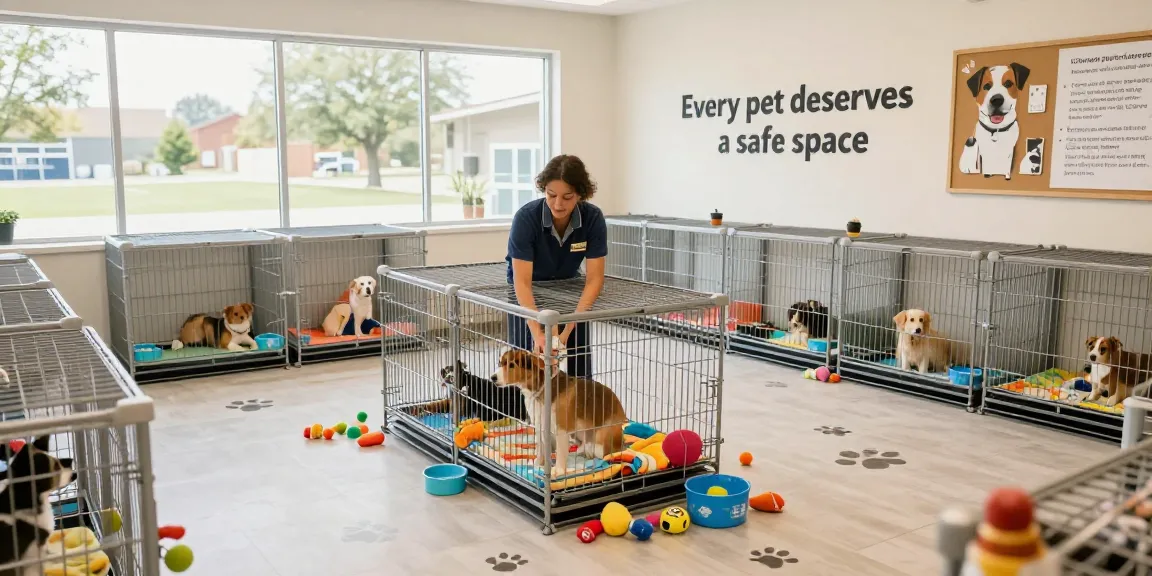
Understanding the Importance of Pet Boarding Cages
Pet boarding cages play a critical role in providing a safe and comfortable environment for animals when their owners are away. As a trusted source for Pet Boarding Cages, it's essential to understand not only the functionality of these cages but also their impact on animal welfare. Whether you manage a pet boarding facility, a veterinary office, or a rescue organization, selecting high-quality cages can influence both the well-being of your animal clientele and the efficiency of your operations.
Why Choose Quality Pet Boarding Cages?
Quality pet boarding cages are designed with various features that enhance safety, comfort, and durability. They are constructed from sturdy materials to withstand daily wear and tear, providing long-lasting use. Furthermore, high-quality cages ensure adequate ventilation, allowing air circulation that keeps animals comfortable. When you choose quality, you’re not just purchasing a cage; you’re investing in the health and happiness of the animals you care for. This commitment to quality also reflects positively on your business, instilling trust with pet owners who are assessing your services.
Impact on Animal Welfare and Comfort
The comfort of pets in boarding environments is paramount. Poorly designed cages can lead to stress, anxiety, and even health issues in animals. On the other hand, well-ventilated and spacious cages can significantly improve their mood and overall experience. Features such as adjustable dividers can facilitate the accommodation of various breeds and sizes, promoting a stress-free environment. Ensuring that your cages meet the specific needs of different species and sizes can lead to healthier pets and more satisfied customers.
Understanding Different Cage Types and Uses
Cages come in different types, each suited for specific needs. For instance, some facilities may require multi-tiered cages for cats, while others might need larger units for dogs. Understanding the unique requirements of your clientele will help you select the most appropriate cages. This not only maximizes space but also enhances the welfare of the animals during their stay.
Factors to Consider When Selecting Pet Boarding Cages
Choosing the right pet boarding cages involves careful consideration of several factors that can impact both the safety of the animals and the efficiency of your operations.
Durability and Safety Features
Durability is a leading factor when selecting pet boarding cages. High-quality materials, such as stainless steel or heavy-duty plastic, are ideal choices that offer longevity and resistance to damage. Additionally, safety features, like secure locking mechanisms and rounded edges, prevent escape and injuries. Investing in durable and safe cages protects the animals and reduces replacement costs over time.
Size and Space Considerations for Different Breeds
Size matters greatly when it comes to pet boarding cages. Different dog breeds require varying amounts of space to feel comfortable. A Great Dane, for example, needs significantly more room than a Chihuahua. Always analyze the breeds you’ll be accommodating and select cages that provide ample space for each animal to move freely. This consideration not only helps in compliance with industry standards but also promotes a positive boarding experience.
Hygiene and Maintenance Needs
Maintaining hygiene in pet boarding facilities is crucial for the health of the animals. Many modern cages are designed to be easy to clean and disinfect. Look for cages with removable trays or those that feature smooth surfaces to simplify the cleaning process. Regular maintenance routines are essential to prevent the spread of diseases, making it vital to choose cages that support hygienic practices.
Best Practices for Using Pet Boarding Cages
Implementing best practices when utilizing pet boarding cages can significantly improve the care provided to your animal clientele. Here are several approaches to enhance the boarding experience.
Preparing Your Facility for New Arrivals
Preparation is key to a smooth transition for pets arriving at your facility. Ensure that each cage is thoroughly cleaned and properly set up with bedding, toys, and fresh water before the pets arrive. Familiarizing them with their new environment can greatly reduce their anxiety and create a welcoming atmosphere.
Routine Care and Monitoring of Boarding Animals
Regular monitoring of pets in boarding cages is essential. Daily checks should include assessing their health, cleanliness, and comfort levels. This not only helps in early detection of potential health issues but also ensures that animals are receiving the attention they need during their stay.
Creating a Stress-Free Environment
To create a stress-free environment, consider implementing soothing techniques, such as soft music or calming scents. Additionally, allowing pets to interact with caregivers through cage doors can reduce feelings of isolation and anxiety. Establishing a routine can also help animals feel more secure during their boarding experience.
Innovative Trends in Pet Boarding Cages for 2026
The pet boarding industry is evolving, and keeping up with the latest innovations can set your facility apart from the competition. Here are some trendy features that are gaining popularity.
Smart Cages: Technology Enhancements
Smart cages equipped with technology offer features such as temperature control, monitoring systems, and even built-in cameras that allow pet owners to check in on their animals remotely. This innovative approach enhances the comfort of pets and provides pet owners with peace of mind, making it a valuable investment for any boarding facility.
Eco-Friendly Materials and Sustainability
Today's consumers are increasingly mindful of environmental issues. Using eco-friendly materials in the manufacturing of pet boarding cages can appeal to eco-conscious clients. Options such as recycled plastics and sustainably sourced metals can help reduce your facility’s carbon footprint while still providing durable and safe environments for pets.
Customizable Cage Solutions for Unique Needs
Being able to customize cages based on specific customer requirements can significantly improve client satisfaction. For instance, cages that can be adjusted to accommodate different breeds or those designed for multi-pet households cater to the diverse needs of pet owners. Custom solutions not only enhance animal welfare but also differentiate your business in a competitive market.
Common Challenges and Solutions in Pet Boarding
Even the best boarding facilities can face challenges. Identifying potential issues ahead of time and having solutions in place can ensure smooth operations.
Addressing Behavioral Issues in Caged Pets
Behavioral issues can arise in pets due to stress from being in a new environment. Training staff to recognize signs of anxiety or distress can help address these issues early. Providing adequate enrichment activities and regular interaction can significantly improve the behavior of pets during their stay.
Dealing with Space Limitations
Space limitations are a common challenge, especially in urban areas. However, optimizing cage layouts and considering multi-level or modular cages can make the most of limited space while ensuring safety and comfort for all animals. Smart design can help maximize your facility's potential without compromising quality.
Enhancing Comfort Through Design
Design plays a pivotal role in the comfort of pet boarding cages. Considering factors like sufficient space, natural light, and noise reduction can dramatically improve the boarding experience. Investing in thoughtfully designed cages that consider both aesthetic and functional aspects can enhance the overall appeal of your boarding facility.
What are the best materials for pet boarding cages?
The best materials for pet boarding cages include stainless steel, which is durable and resistant to rust, and high-density polyethylene, which is easy to clean and disinfect. Selecting materials that offer both durability and hygiene considerations is crucial to maintaining a safe environment for animals.
How can I ensure the comfort of my boarding pets?
Ensuring comfort for boarding pets involves selecting appropriate cage sizes, providing soft bedding, and maintaining a clean environment. Regular interaction and attention from staff can also help pets feel more at ease during their stay.
What size cages do I need for different dog breeds?
To determine the correct cage sizes for different dog breeds, refer to kennel size guidelines that recommend dimensions based on the breed’s weight. Generally, larger breeds like Great Danes require more space compared to smaller breeds like Pomeranians.
How often should I clean pet boarding cages?
Pet boarding cages should be cleaned at least daily, with more frequent cleaning necessary if pets are in the cages longer. Establishing a cleaning schedule is crucial for maintaining hygiene and preventing disease transmission.