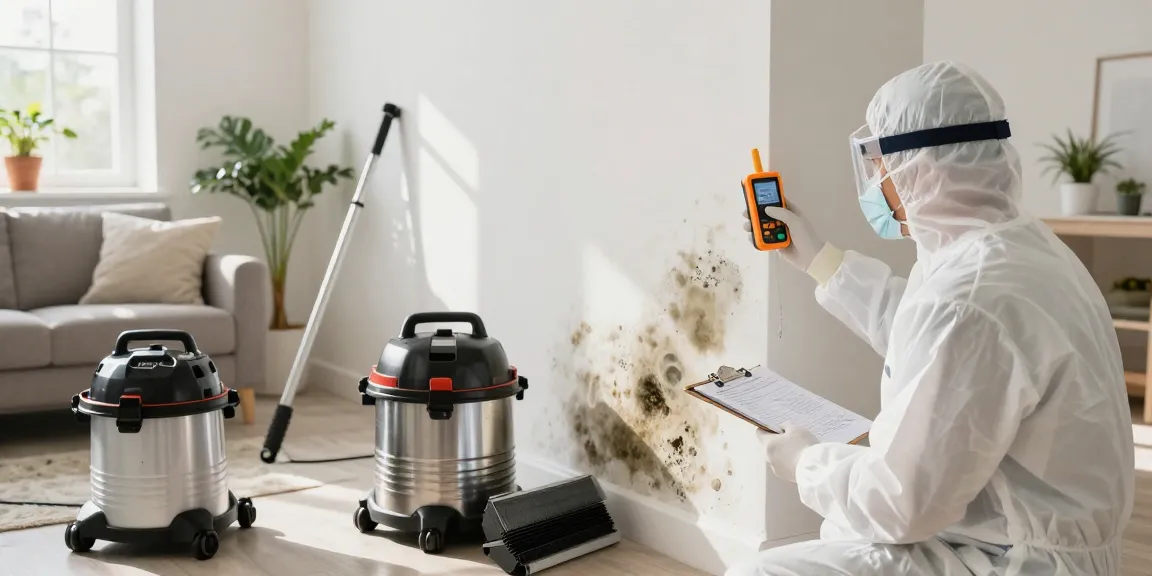
Understanding Mold Issues in West Vancouver
Mold is a pervasive problem that can cause significant health issues and structural damage, particularly in environments like West Vancouver where coastal humidity is prevalent. Homeowners often underestimate the risks associated with mold, leading to delayed action and costly remediation efforts. Addressing mold growth promptly is crucial, and that’s where reliable services come into play. When exploring options, Mold Remediation West Vancouver provides comprehensive insights into effective mold management and restoration.
What Causes Mold Growth in Coastal Regions?
Coastal regions, such as West Vancouver, create an ideal environment for mold growth due to their high humidity levels, persistent rainfall, and temperature variations. Mold spores are always present in the air, but they require certain conditions to thrive. Key factors that contribute to mold growth include:
- Moisture: Excess moisture from leaks, condensation, and high humidity provides mold with the essential water it needs to grow.
- Organic Material: Mold feeds on organic materials found in building materials, such as wood, drywall, and carpets.
- Poor Ventilation: Areas with insufficient airflow and ventilation, such as basements and crawl spaces, are particularly susceptible to mold proliferation.
Common Types of Mold Found in Homes
There are various types of mold, but the most common ones found in homes include:
- Aspergillus: Often found in damp or water-damaged areas, it can produce mycotoxins that pose health risks.
- Stachybotrys chartarum (Black Mold): Known for its dark appearance and association with significant health risks, black mold thrives in wet conditions.
- Penicillium: Frequently found on damp materials, this mold can cause allergic reactions and respiratory issues.
The Impact of Vancouver’s Climate on Mold Growth
The temperate maritime climate of Vancouver, characterized by mild, wet winters and cool, dry summers, contributes significantly to mold issues. During winter, prolonged rain increases moisture levels, while humidity can remain elevated even in summer due to coastal proximity. Homeowners must be vigilant, especially in older buildings where materials may be more susceptible to dampness and mold growth.
The Importance of Professional Mold Remediation
While some homeowners may consider tackling mold problems on their own, professional remediation services are crucial for effective management and prevention. Mold can spread quickly, and addressing it requires specialized knowledge and tools that most homeowners lack.
Why DIY Methods Are Often Insufficient
DIY methods for mold removal, such as bleach solutions or vinegar, may seem effective at first glance. However, these methods often fail to eliminate the root causes of mold growth. Additionally, without proper containment, DIY efforts can inadvertently spread mold spores to unaffected areas, worsening the issue.
Benefits of Hiring Certified Mold Remediation Experts
Engaging certified mold remediation professionals offers several benefits:
- Thorough Inspection: Professionals conduct comprehensive assessments to identify mold presence and sources.
- Effective Removal Techniques: Experts utilize advanced techniques like HEPA filtration and antimicrobial treatments to safely and thoroughly remove mold.
- Prevention Strategies: Alongside remediation, professionals advise on how to prevent future mold growth, addressing underlying moisture issues.
Typical Remediation Processes Explained
The typical mold remediation process includes several critical steps:
- Inspection: A thorough investigation of the property to detect mold and the source of moisture.
- Containment: Establishing containment to prevent mold spores from spreading during removal.
- Air Filtration: Using HEPA filters to clean the air of mold spores and prevent cross-contamination.
- Mold Removal: Safe removal of all contaminated materials.
- Restoration: Repairing any damage caused by mold, including drywall replacement and painting.
Identifying Signs of Mold in Your Home
Early detection of mold can save homeowners significant time and money. Knowing the signs to look for is crucial for prompt action.
Common Symptoms Indicating Mold Presence
Health symptoms related to mold exposure can vary widely but often include:
- Allergic reactions, such as sneezing, runny nose, and itchy eyes.
- Respiratory issues, including wheezing and coughing.
- Skin irritations and rashes.
Visual Indicators of Mold Growth
Visual indicators include:
- Discoloration on walls, ceilings, or floors.
- Dark spots or patches, especially in damp areas.
- A musty odor that persists despite cleaning.
When to Schedule a Mold Inspection?
Homeowners should schedule a mold inspection if they notice any signs of mold, have experienced water damage, or if someone in the home exhibits unexplained allergies or respiratory issues. It’s better to act sooner rather than later to mitigate potential health risks and structural damage.
The Cost of Mold Remediation in West Vancouver
The cost of mold remediation can vary widely based on several factors, including the extent of the infestation and the size of the affected area.
Factors Influencing Mold Remediation Pricing
Some of the key factors that affect the cost of mold remediation include:
- Severity of the Infestation: More extensive mold growth requires more time and resources to remediate, increasing costs.
- Accessibility of Affected Areas: Mold hidden behind walls or in crawl spaces may require additional work to access.
- Type of Mold: Some types of mold require specialized handling due to health risks, affecting overall costs.
Typical Cost Ranges for Different Properties
While costs can vary, homeowners typically can expect the following ranges:
- ‘Small areas’ (e.g., bathrooms): $500 – $1,500.
- ‘Larger infestations’ (e.g., basements): $2,000 – $6,000.
- ‘Extensive remediation’ (e.g., entire homes): $10,000 or more, depending on severity and necessary repairs.
Understanding Insurance Coverage for Mold Remediation
Coverage for mold remediation can depend on various factors, including the cause of the mold and the specifics of a homeowner’s insurance policy. Homeowners should review their policies carefully and consult with their insurers to understand what costs may be covered, especially in the case of water damage claims.
Preventing Future Mold Growth in Your Home
Mold prevention is crucial in maintaining a healthy home environment and avoiding costly remediation. Implementing effective moisture control strategies can significantly reduce the likelihood of mold growth.
Best Practices for Moisture Control
To minimize moisture and prevent mold, homeowners should:
- Use dehumidifiers: Especially in basements and other damp areas, to reduce humidity levels.
- Ensure proper ventilation: Use exhaust fans in bathrooms and kitchens to expel humid air.
- Fix leaks promptly: Address plumbing issues, roof leaks, or any sources of water intrusion immediately.
Regular Maintenance Tips for Homeowners
Routine maintenance is essential for mold prevention:
- Check and clean gutters regularly to prevent water buildup.
- Inspect and maintain roof and windows to ensure proper sealing.
- Regularly clean and inspect HVAC systems to prevent condensation issues.
Long-Term Solutions to Keep Your Home Mold-Free
In addition to regular maintenance, homeowners should consider investing in mold-resistant building materials when renovating or making repairs. These products can provide a long-term defense against mold growth.
What health issues can mold exposure cause?
Mold exposure can lead to a variety of health issues, particularly for individuals with pre-existing conditions. Symptoms may include respiratory problems, allergic reactions, asthma exacerbations, and in some cases, even neurological issues for certain strains of mold. It is crucial to understand the potential health implications and seek professional assistance when mold is suspected.
Can mold come back after remediation?
Yes, mold can return if the underlying moisture problems are not addressed. It is essential to not only eliminate the visible mold but also to correct conditions that promote mold growth to ensure it does not return.
What is the difference between mold removal and remediation?
Mold removal refers to the act of physically eliminating mold from a surface, while remediation encompasses a more comprehensive approach that includes removing mold, addressing the source of moisture, and preventing future growth.
How long does mold remediation take on average?
The duration of mold remediation can vary widely depending on the extent of the infestation, but most projects can take anywhere from a few hours for minor issues to several days for significant infestations and repairs.
What should I do if I suspect mold in my home?
If you suspect mold in your home, it is advisable to schedule a professional inspection immediately. Early detection and intervention can save you money and health issues down the line.