Understanding Metal Roofing: Benefits and Trends
As homeowners and property builders increasingly gravitate toward sustainable and durable building materials, metal roofing has emerged as a popular choice. This roofing option provides an array of benefits, including longevity, energy efficiency, and aesthetic appeal. With advancements in technology and design, metal roofs are more versatile than ever, catering to various architectural styles. When exploring options, metal roofing contractor services can provide comprehensive insights into the selection and installation process tailored to your specific needs.
What Makes Metal Roofing a Smart Choice?
Metal roofing offers numerous advantages that make it a wise investment for homeowners and commercial property owners alike. Firstly, metal roofs are known for their remarkable lifespan, often exceeding 50 years with proper maintenance. This longevity translates to less frequent replacements, which can save homeowners significant costs in the long run.
- Durability: Metal roofs are resistant to harsh weather conditions, including heavy rain, hail, and strong winds, ensuring protection for your property.
- Energy Efficiency: Metal roofs reflect solar heat, helping to reduce energy costs, especially in warmer climates.
- Low Maintenance: Unlike traditional roofing materials, metal roofs require minimal upkeep, primarily periodic inspections and cleaning.
Emerging Trends in Metal Roofing for 2026
The metal roofing industry is evolving, with several trends on the horizon for 2026. Homeowners are increasingly opting for colors and textures that mimic traditional materials such as wood or slate, providing a more diverse range of aesthetic choices.
- Eco-Friendly Materials: Sustainable practices are gaining traction, with manufacturers producing metal roofing from recycled materials.
- Enhanced Coatings: Innovations in coatings improve durability and weather resistance, ensuring metal roofs maintain their appearance and functionality over time.
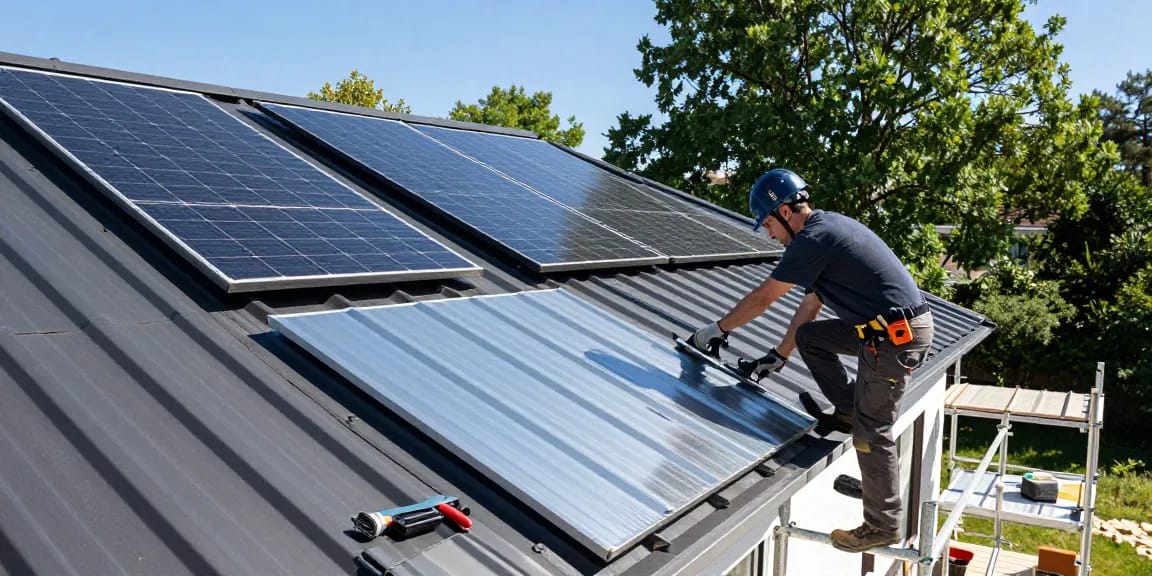
- Smart Roof Technology: Integration of technology, such as solar panels and energy-efficient systems, is becoming more common in metal roofing solutions.
Cost Savings and Efficiency of Metal Roofs
Investing in a metal roof can lead to substantial cost savings over time. While the initial installation cost may be higher than traditional asphalt shingles, the long-term benefits far outweigh this investment. Metal roofs require fewer repairs and offer lower energy costs due to their reflective properties. Furthermore, many homeowners find that insurance premiums can be lower for homes equipped with metal roofing due to their durable nature.
Selecting the Right Metal Roofing Contractor
Choosing the right contractor is crucial to ensuring that your metal roofing installation goes smoothly. A qualified contractor will not only provide quality workmanship but also guide you through the selection process to ensure you choose the best materials for your home.
Key Qualities to Look for in a Contractor
When evaluating potential contractors, consider the following qualities:
- Experience: Opt for a contractor with a proven track record in metal roofing installation.
- Licensing and Insurance: Ensure they hold the necessary licenses and insurance to protect you in case of accidents during the job.
- Reputation: Check online reviews and ask for references to gauge their reliability and quality of work.
Questions to Ask Before Hiring
Don't hesitate to ask potential contractors about:
- Their experience with metal roofs specifically.
- The types of materials they recommend and why.
- The warranty offered on both labor and materials.
Importance of Certifications and Experience
Certifications from manufacturers can indicate a contractor’s level of expertise and their adherence to best practices. Experienced contractors understand the nuances of installation and common pitfalls, providing peace of mind that the job will be handled professionally.
The Installation Process Explained
Understanding the installation process of a metal roof can alleviate concerns for homeowners. Knowing what to expect can ensure a smoother experience during the transition to your new roof.
Step-by-Step Guide to Metal Roof Installation
The installation process generally includes several key steps:
- Preparation: The contractor assesses the existing roof and prepares it for installation, which may involve removing old materials.
- Installation of Underlayment: A protective underlayment is installed to enhance waterproofing.
- Metal Panel Installation: Panels are meticulously installed, ensuring proper alignment and secure fastening.
- Finishing Touches: Flashing, ridge caps, and other finishing elements are added to complete the roof.
Common Challenges During Installation and How to Overcome Them
While metal roof installation is generally straightforward, some challenges may arise:
- Weather Delays: Rain or high winds can postpone installation, emphasizing the need for flexibility in scheduling.
- Material Availability: Ensure your contractor has access to your chosen materials to avoid delays.
- Installation Errors: Hiring experienced contractors can minimize errors, ensuring that the installation adheres to best practices.
Post-Installation Inspection: What to Expect
Once installation is complete, a thorough inspection will confirm that everything has been done correctly. Your contractor should check for any unmet standards and address any concerns before finalizing the project.
Maintenance Tips for Longevity
To maximize the lifespan of your metal roof, regular maintenance is essential. Implementing a few simple practices can ensure that your roof remains in excellent condition for years to come.
Essential Maintenance Practices for Metal Roofs
- Regular Inspections: Schedule inspections at least twice a year and after severe weather events.
- Cleaning: Remove debris, such as leaves and branches, which can lead to water pooling and rust.
- Rust Prevention: Apply protective coatings if necessary to prevent corrosion.
Signs Your Metal Roof Needs Repair
Be vigilant for signs that your metal roof may require repairs:
- Rust spots or discoloration.
- Loose or missing panels.
- Leaks in the interior of your home.
How to Prepare Your Roof for Seasonal Changes
During seasonal transitions, specific preparations can help maintain your roof's integrity:
- Clean gutters to ensure proper drainage.
- Inspect seals and flashing to prevent leaks during winter storms.
- Monitor for ice dam formations that can cause damage to roofing materials.
Future Predictions for the Metal Roofing Industry
The metal roofing industry is poised for significant growth and innovation over the next few years. Understanding future trends can help homeowners and contractors stay ahead of the curve.
Innovations to Watch in Metal Roofing
Advancements in metal roofing technologies are expected to enhance performance and aesthetics:
- Mobile Applications: Tools for homeowners to monitor roof conditions and schedule maintenance may become prevalent.
- Innovative Coatings: New coatings that improve energy efficiency and weather resistance are set to revolutionize the market.
Environmental Impact and Sustainability Efforts
The move towards sustainability is apparent in the metal roofing industry. Companies are focusing on eco-friendly practices, such as using recycled materials and improving energy efficiency in production processes.
Projected Market Growth and Consumer Demand by 2026
According to industry analysts, the demand for metal roofing is expected to continue rising, driven by increased awareness of energy efficiency and environmental sustainability. As homeowners prioritize longevity and cost-effectiveness, metal roofing is likely to remain a leading choice in the next few years.
What types of metal roofing materials are most popular?
Common materials include galvanized steel, aluminum, copper, and zinc, each offering unique benefits tailored to specific climates and aesthetic preferences.
How long does a metal roof typically last?
Metal roofs can last 40 to 70 years, depending on the material used and maintenance practices.
Are metal roofs energy efficient?
Yes, metal roofs are excellent at reflecting solar energy, making them energy-efficient options that help reduce cooling costs in warm climates.
What is the cost comparison of metal roofs to other types?
While the initial investment for metal roofs may be higher than asphalt shingles, their longevity and low maintenance costs often result in overall savings.
Can you install a metal roof over existing shingles?
Yes, metal roofs can often be installed over existing shingles, providing an added layer of insulation and reducing waste.